Why all paper is not recyclable?
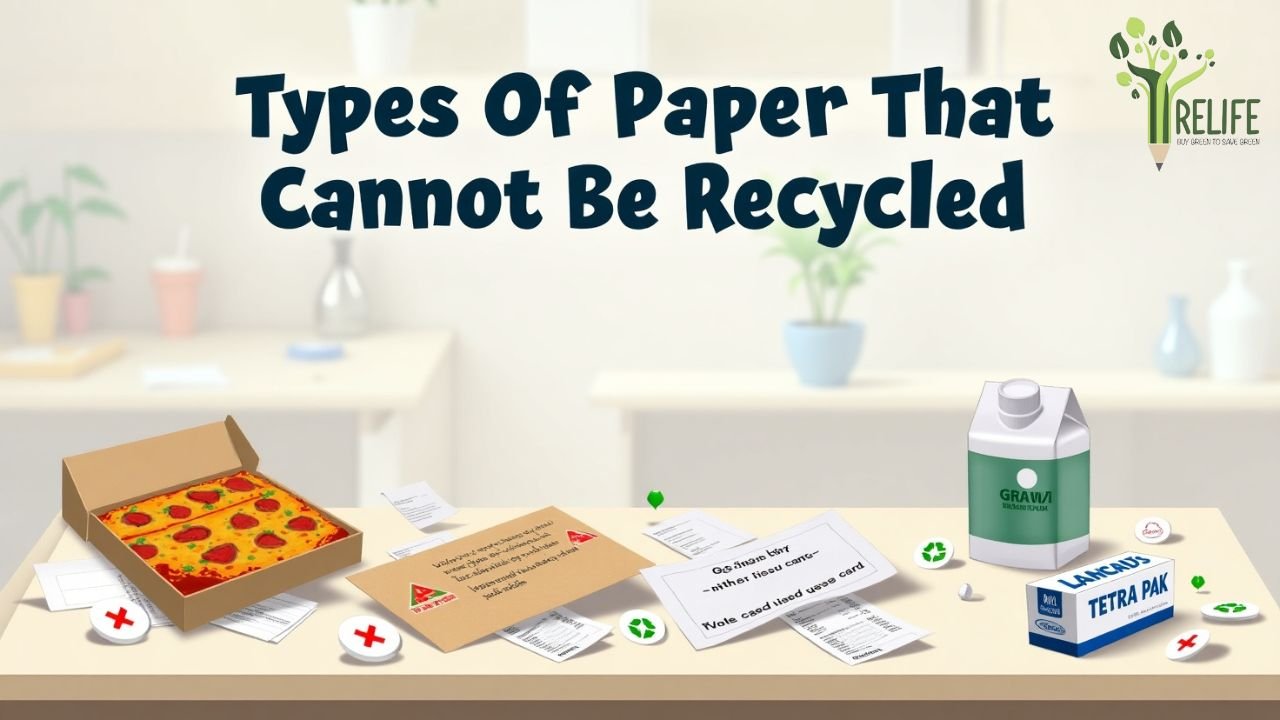
When most of people hear the word recycling, they think of all paper being goes into the bin. It’s just paper, isn’t it? Not quite. While it’s true paper is among the most widely recycled materials in the world, not all paper can be reused. In reality, some of the most common papers can jam up recycling machinery, spoil whole batches or take more energy to recycle than they’re worth.
In this article, we are going in-depth about the kinds of paper that won’t recycle so you can make wiser, more sustainable choices in your everyday life.
Types of paper:
Receipts printed and Thermal Paper
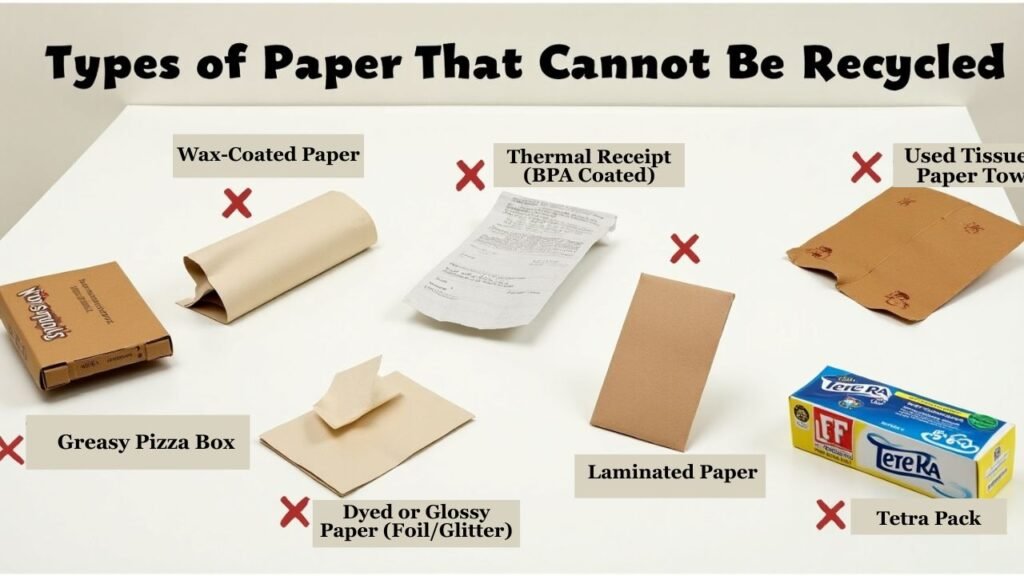
The thermal paper that is used in receipts in lined with chemicals such as BPA (Bisphenol A) or BPS (Bisphenol S) which are toxic and can’t be processed safely during recycling, so such paper can neither be recycled nor composted.
Paper Towels and Tissues
Used tissues, napkins, and paper towels are paper-based products, but once used, they become contaminated by oils, bacteria, or cleaning chemicals and thus are not recyclable and more suitable for composting if available.
Milk and Juice Cartons
Juice and Milk cartons like Tetra Paks have several layers of paper, plastic, and aluminum that need specialized recycling equipment which is not commonly found in most municipal programs.
Shredded Paper
Whereas shredded paper can technically be recycled, over-shredding shortens the fiber length and generates fragments that re too fine to be shorted efficiently and too often causes the paper to end up in landfill rather than be reused.
Sticky Notes and Adhesive-Backed Paper
Although these products are small, sticky notes and adhesive-backed papers are troublesome in great numbers. Because their glue residues jam recycling equipment and lower the quality of recycled paper.
Gift Wrapping Paper
Gift wraps, cards, and invitations with glitter, foil, or metallic coating are not recyclable since they use micro plastics or metallic flakes that will not disintegrate through the pulping process and will pollute other recyclables.
Laminated Paper
Laminated paper, employed on menus, ID card, and signs, features a plastic film heat-sealed on to the paper surface.which cannot be effectively broken by recyclers without expensive equipment. This renders it essentially non-recyclable in practical terms.
Paper with Food Contamination
Food-stained paper boxes, such as greasy pizza boxes or buttered popcorn packages, cannot be recycled because oil and food particles contaminate them and break down the paper fibers, disrupting the recycling process.
Dyed or Dark-Colored Paper
Dyed paper with strong colors, particularly black or deep red, is troublesome to recyclers as the intense pigments need excessive bleaching. Which is not environmentally and economically effective.
Photographic Paper
Photographic paper, both from conventional film and instant printing, has chemical coatings. That preserve and guard the image but cannot be dissolved in the recycling process.
Impact of Non-Recyclable Paper on the Environment
When people mistakenly place non-recyclable items in recycling bins. They contaminate the stream, lower recycling rates, and often cause entire batches to end up in landfills. Where they produce methane emissions and lead to resource loss.
Conclusion
It’s more than dumping paper into a recycling bin, it’s knowing what you can and cannot recycle. Being aware of non-recyclable paper ensures that you have a cleaner recycling stream. It also enhances environmental health and helps you make wise decisions that benefit future generations.